
All Stone Facades All Stone Facades

Search

Stone flooring & wall tiling

Stone floors and walls laid true, from hallway to wet room

Marble, limestone, Portland stone, granite, quartz and slate for floors, bathrooms, kitchens and feature walls — from substrate preparation and waterproofing to the final seal.

Flooring & Wall Tiling overview

Stone floors are walked on every day, and the walls of bathrooms and kitchens are soaked and scrubbed, so natural stone has to be right underneath as well as on top. We take responsibility for the whole build-up — substrate, waterproofing, bed or adhesive, stone, joints and finish — and plan every room tile by tile before we start, so the floor or wall you approve at sample stage is the one you live with for decades: level, tightly jointed, watertight where it needs to be and easy to look after.

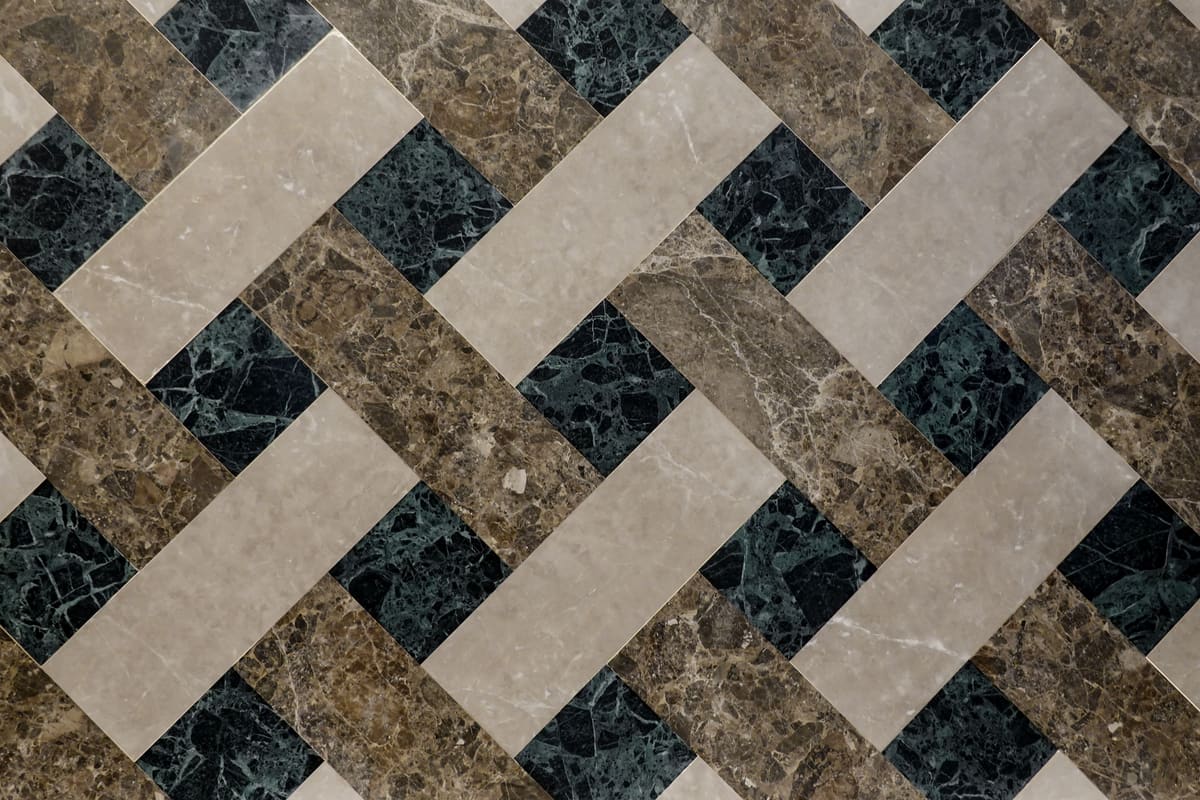
Polished marble floor laid in a basketweave pattern of cream, brown and green-black stone

Stone floors for homes, hotels and workplaces

Different spaces ask different things of a floor. A country-house kitchen needs a stone that forgives dropped pans and muddy boots; a hotel reception needs consistent colour across a large area and a finish that stays safe when it is wet; a penthouse living space may call for large-format slabs with barely visible joints. We start by understanding how the floor will be used, cleaned and heated, then recommend a stone, format and finish to suit.

We lay calibrated tiles and large-format slabs in marble, limestone, Portland stone, granite, quartz and slate, as well as hand-dressed flagstones, stone stairs and patterned floors with borders, insets and contrasting bands. Where a floor continues from inside to out, we plan thresholds, levels and finishes so the two areas read as one surface while each performs as it should.
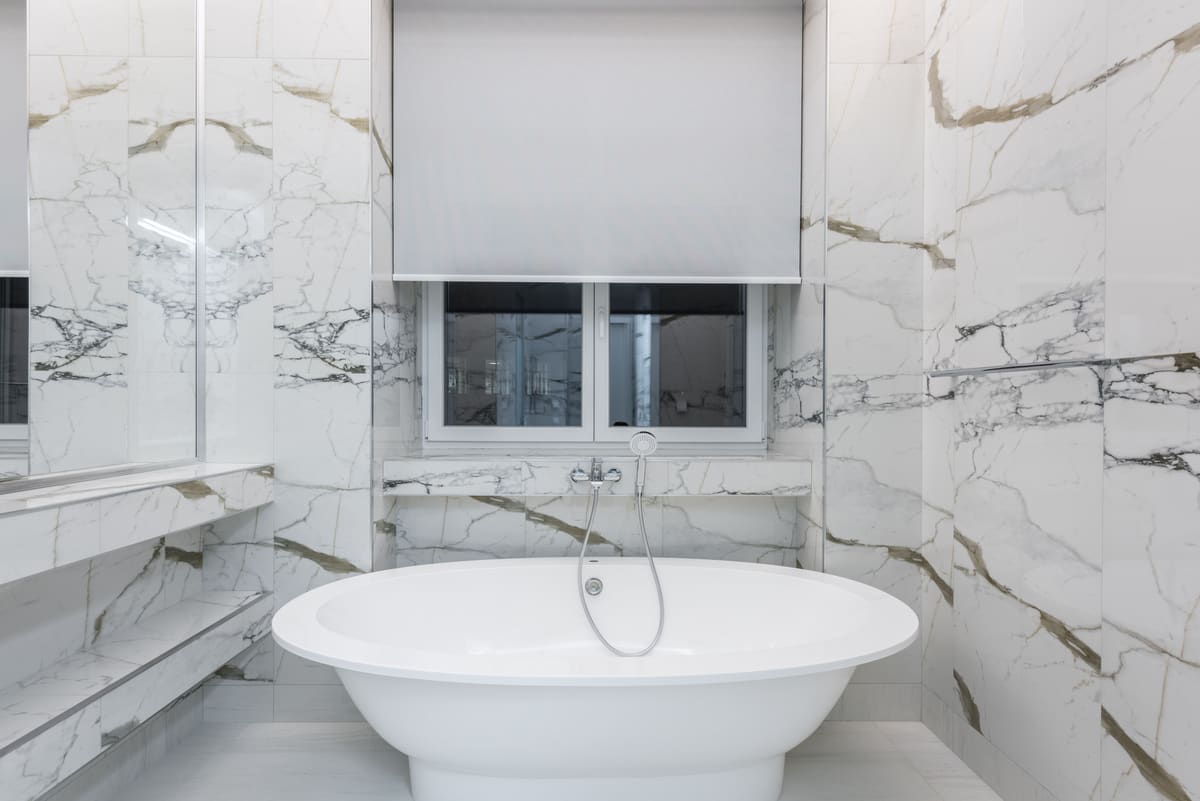
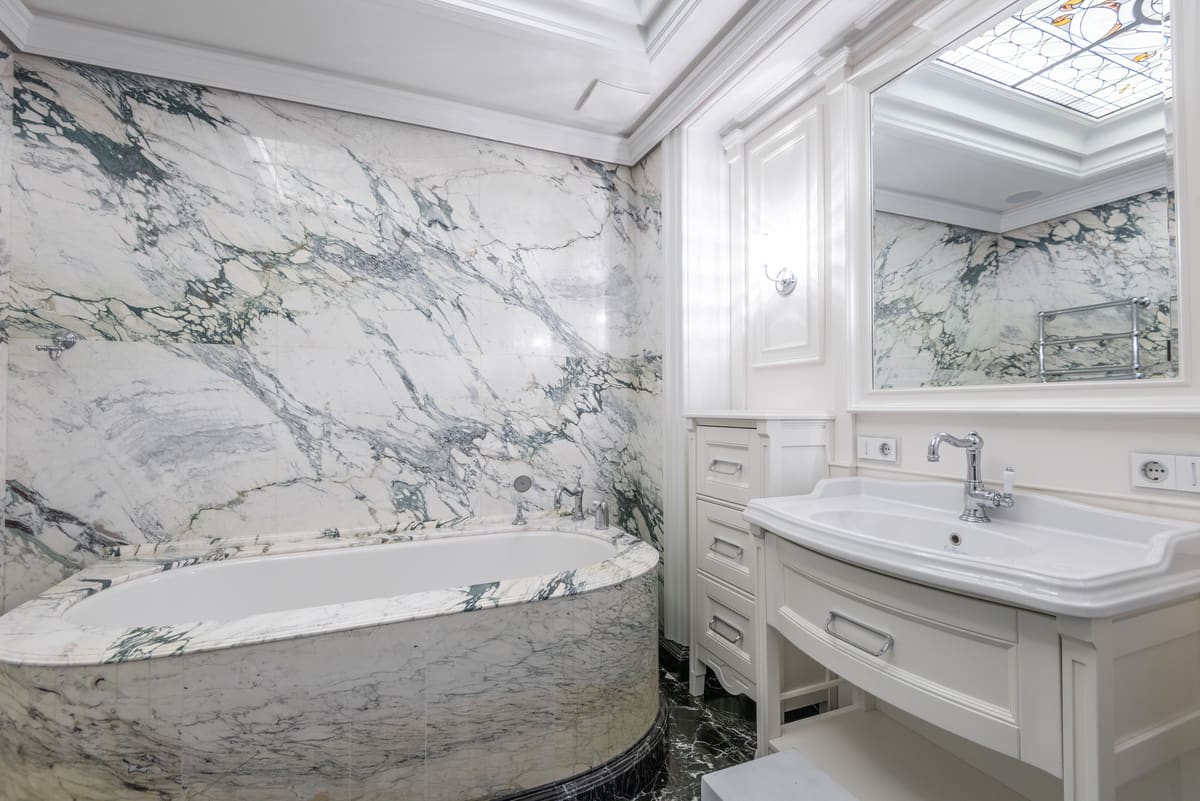
Bathroom clad in white and green-veined marble with a matching marble-panelled bath

Bathrooms, wet rooms and kitchens

Bathrooms and wet rooms are where stone tiling works hardest. Walls and floors must be flat, fully waterproofed and laid to falls so water drains away quickly, and every junction with a shower tray, bath or basin needs a considered detail. We install tanking systems behind the stone, form level-access showers with linear or point drains, and tile niches, benches and vanity surrounds so they read as part of the room rather than additions to it.

In kitchens we tile floors, splashbacks and feature walls, working around appliances, worktops and joinery so the lines meet precisely. We also fit fireplace surrounds and hearths, stone shower trays, window reveals, skirtings and thresholds, cut to template in the workshop wherever that gives a cleaner result than cutting on site.

  • Tanked wet rooms and level-access showers
  • Stone vanity surrounds, niches and shower benches
  • Splashbacks, feature walls and fireplace surrounds
  • Skirtings, thresholds and window reveals
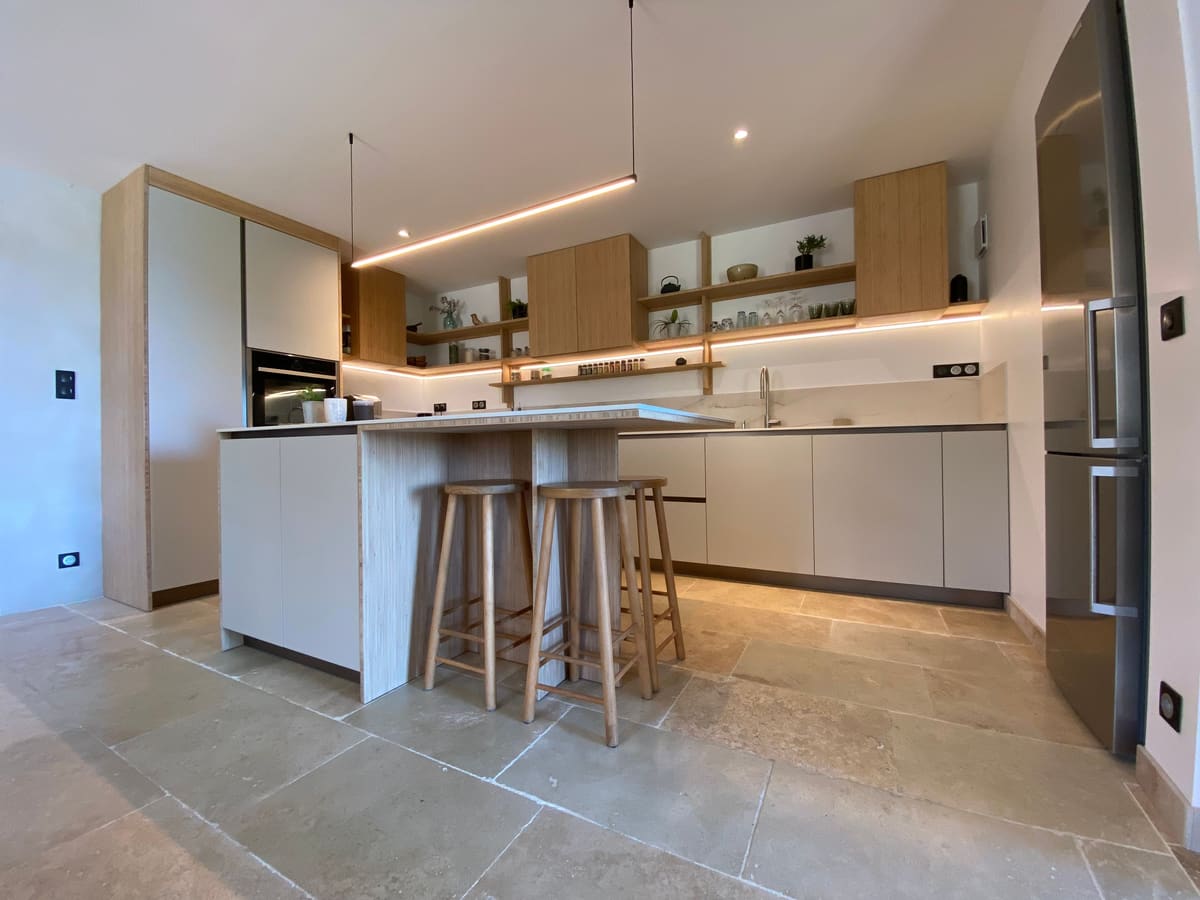
Contemporary kitchen with a large-format limestone flagstone floor and oak bar stools

Substrates, screeds and underfloor heating

Most failures in stone floors and walls start behind the stone. Before we commit to a fixing method we check every background for flatness, strength, moisture and movement, and agree what needs to happen if it falls short. Sand and cement screeds need time to dry; anhydrite screeds must be dry, have their surface laitance removed and be primed before cement-based adhesives are used; timber subfloors need stiffening and a suitable decoupling layer; and walls must be sound enough to carry the weight of the stone.

Natural stone works beautifully with underfloor heating because it conducts and stores heat well. The system should be commissioned before the stone goes down, switched off while it is fixed and brought back up to temperature gradually afterwards. We build in movement joints at perimeters, thresholds and across large areas, and choose flexible adhesives or semi-dry mortar beds according to the stone, the substrate and the loads the floor will carry.

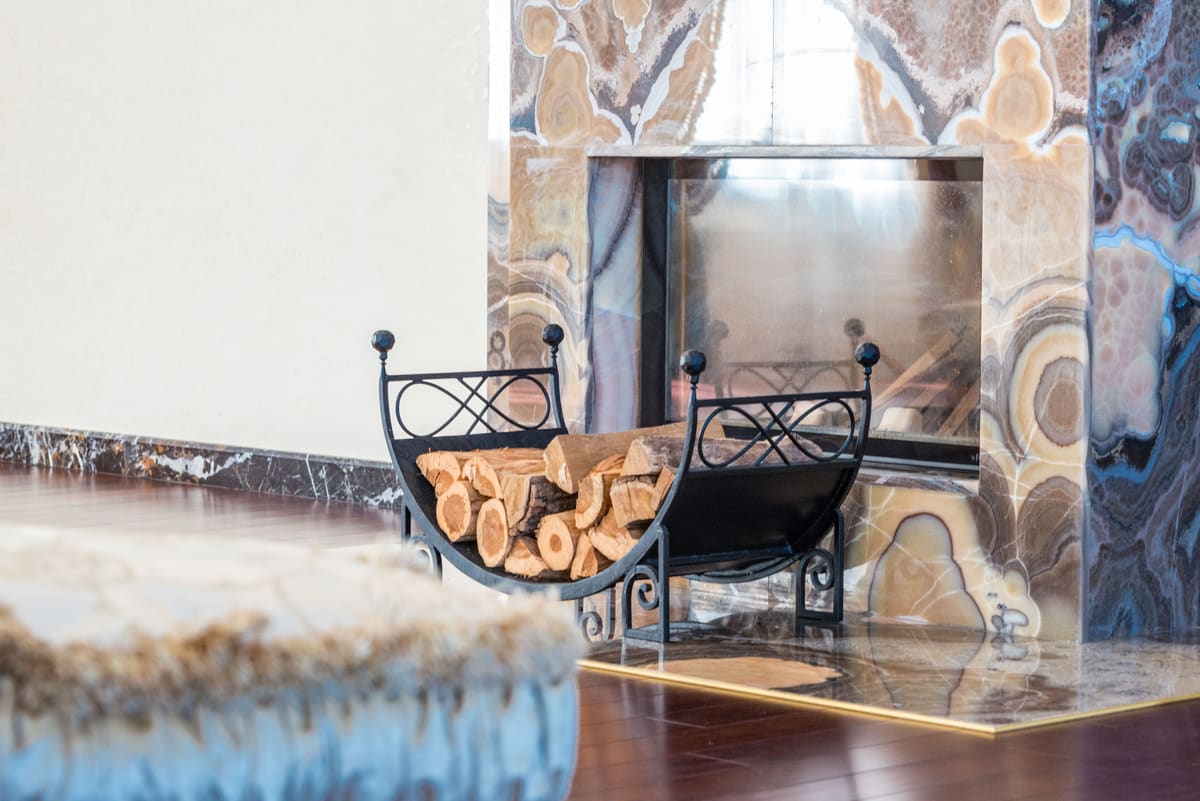
Fireplace surround in richly patterned polished stone beside a black log rack

Setting out, finishes and bookmatching

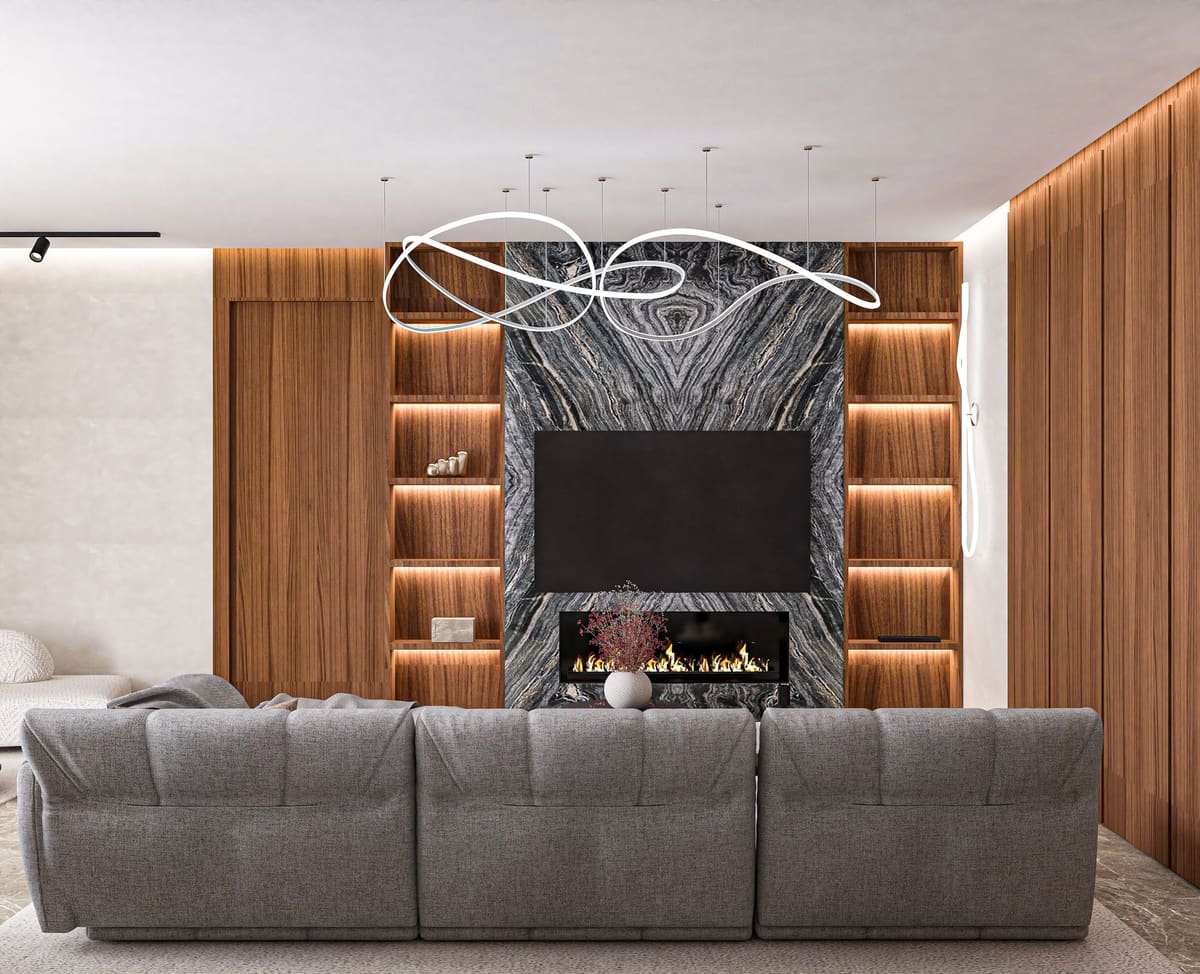
Good stonework is decided before the first piece is fixed. We draw every floor and elevation from the room's key lines — the front door, a fireplace, a window, a tap centre — so cuts are balanced, tiles never end in slivers, patterns stay aligned through doorways and floor joints continue up the walls where the design calls for it. With veined marble we can bookmatch consecutive slabs so the pattern mirrors across a joint, and on larger floors and feature walls we dry-lay and number the stone to balance colour and veining, so you can approve the composition before anything is fixed.

The finish changes both the look and the performance of a stone. Polished marble brings depth and reflection but suits dry, low-traffic areas; honed, brushed and tumbled finishes soften the surface and improve grip; flamed or bush-hammered finishes suit external and wet areas. We can arrange pendulum slip testing so the chosen finish is backed by data rather than by feel — important on commercial projects where slip risk must be assessed.

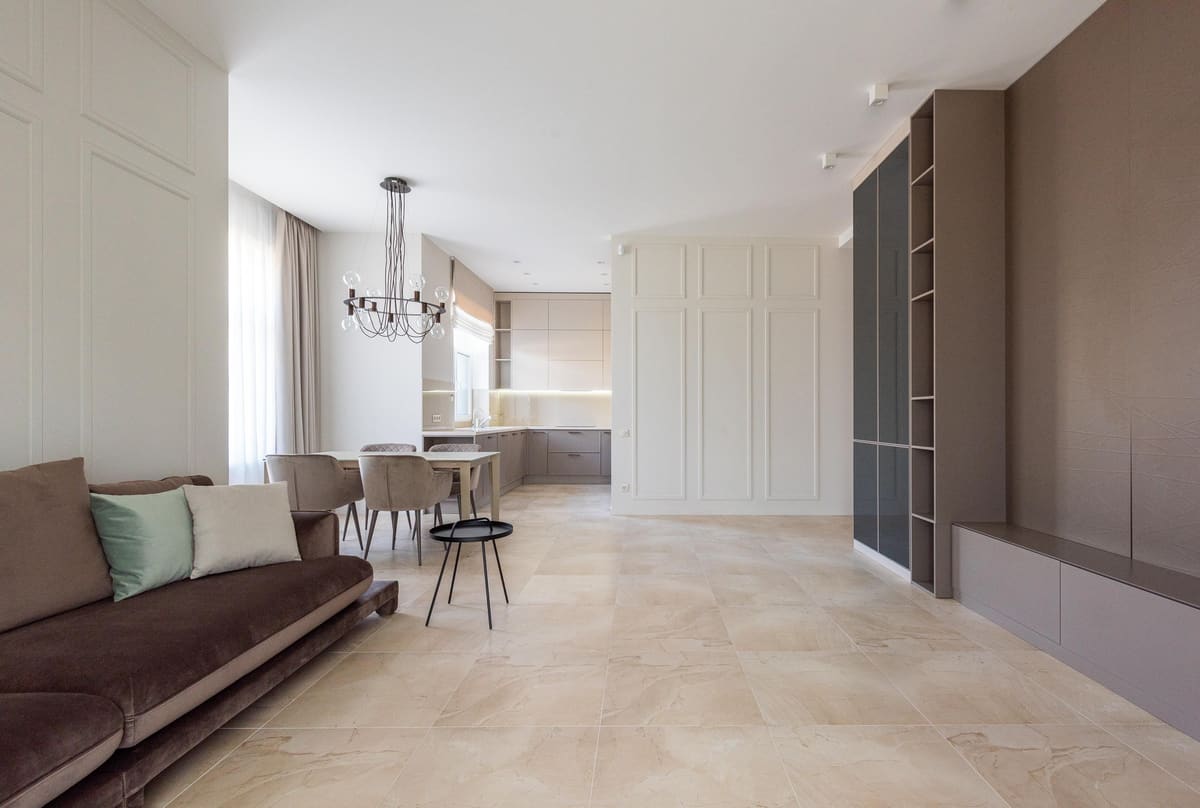
Bright living room and dining area with a pale limestone tiled floor

Adhesives, waterproofing, sealing and aftercare

Natural stone is not porcelain, and it should not be fixed as if it were. Pale marbles and limestones need white adhesives to avoid shadowing through the stone, and some green marbles and other water-sensitive stones must be fixed with rapid-setting or resin adhesives to prevent curling and staining. We follow the supplier's guidance for every stone and the relevant British Standard codes of practice for wall and floor tiling. In wet areas a tested waterproofing system goes behind the stone, with sealing tapes at every corner, junction and pipe penetration, and flexible sealant replaces rigid grout wherever tiling meets baths, trays and changes of plane.

A newly laid floor is vulnerable while other trades are still on site, so we protect it with breathable coverings and agree who is responsible for it until handover. Once the stone has dried out, we clean it and apply an impregnating sealer suited to its porosity — one that reduces staining without forming a surface film or trapping moisture beneath it. We leave written care guidance for each stone, including which cleaners to avoid, and when a floor eventually needs more than routine care we can hone, polish, repair and reseal it rather than replace it.

Benefits

Why clients choose us for flooring & wall tiling

The difference shows in the details you never see, as much as in the finish everyone admires.

  • Level, tightly jointed floors

    Substrates are checked and corrected first, so the finished surface is flat and the joints stay consistent.

  • Watertight wet rooms

    Tested tanking systems, sealed junctions and floors laid to falls behind every stone finish.

  • The right stone for the use

    Stone, format and finish chosen for traffic, cleaning regime, heating and slip resistance.

  • Adhesives matched to stone

    White, rapid-setting or resin adhesives and mortar beds chosen for each stone — never one product for everything.

  • Balanced, vein-matched layouts

    Tile-by-tile setting out and dry-laid, bookmatched slabs, so cuts are even and the veining flows as intended.

  • Crisp, clean detailing

    Mitred corners, stone trims and templated pieces instead of plastic profiles and site-cut compromises.

Capabilities

What we deliver

The flooring & wall tiling work we carry out — on its own, or as part of a wider natural stone package.

Request a quote
  • Marble, limestone, granite, quartz and slate floors
  • Large-format slabs, calibrated tiles and flagstones
  • Patterned floors, borders, insets and chequerboards
  • Stone stairs, treads, risers and landings
  • Wall tiling with continuous wall-to-floor joints
  • Tanked wet rooms and level-access showers
  • Bookmatched and vein-matched layouts
  • Kitchen splashbacks, feature walls and fireplace surrounds
  • Underfloor heating build-ups and substrate preparation
  • Sealing, protection and handover cleaning

Our process

How we work, step by step

A clear sequence agreed at the outset, so you always know what happens next and who is responsible for it.

  1. Survey

    We measure, check floors and walls, and discuss how each space will be used, cleaned and heated.

  2. Samples

    Stone, finish, grout and trim samples are approved together, with slip data and slab selection where needed.

  3. Layout

    Setting-out drawings fix every joint, cut, threshold and movement joint before the stone is ordered.

  4. Install

    Backgrounds are prepared and waterproofed, then our own teams lay, fix, grout and protect the stone.

  5. Handover

    We clean, seal and hand over with care guidance for each stone, and return for maintenance whenever it is needed.

Plan it properly

Have drawings, a site or just an idea?

Send us what you have and we will advise on the right stone, system and next steps for your project.

Questions

Frequently asked questions

Can’t see your question here? Our team is happy to help — send an enquiry below or give us a call.

Which natural stone is most practical for a kitchen floor?

Granite and dense limestones with a honed or brushed finish are the most forgiving in kitchens. Marble and softer limestones work well too, but they will show etching from acidic spills, so they suit clients who are happy for the floor to develop a lived-in patina.

Is marble suitable for a shower?

Yes, provided the enclosure is properly waterproofed behind the stone and the marble is sealed and cleaned with pH-neutral products. Marble will etch if exposed to acidic cleaners and some toiletries, so a honed finish is often more practical than a high polish inside a shower.

How soon can a new stone floor be walked on?

It depends on the fixing method. Floors laid on rapid-setting adhesive can often take light foot traffic within a day, while floors on a mortar bed need longer. We confirm the timings for your build-up and protect the floor until it is ready.

Can you tile over existing tiles?

Occasionally, but rarely with natural stone. Stone is heavier than most tiles and needs a sound, flat, well-bonded background, so we usually remove old tiles, repair the surface and waterproof it properly before starting.

What grout should I choose for stone tiles?

We generally recommend a fine, colour-matched cementitious grout for narrow stone joints, and an epoxy grout where extra stain resistance is needed. It is worth testing grout on a sample first, as some pigmented grouts can stain very porous stones.

Explore

Other services

  • Stone Cladding

    Portland stone, natural stone, terracotta and GRC façades for commercial and residential buildings — designed, fixed and finished to last.

  • Cleaning & Restoration

    Sensitive cleaning, repair and restoration of stone façades, floors and heritage stonework.

  • Installation & Maintenance

    Specialist installation teams for natural stone projects of every size, backed by planned inspection and maintenance.

  • Design & Management

    Detailing, specification and project management for natural stone packages, from concept to completion.

  • Consultation

    Early-stage advice on stone selection, budgets, buildability and the condition of existing stonework.

  • Heritage Works

    Conservation-grade stone repair and replacement for listed and historic buildings, including Portland stone indents and lime mortars.

Flooring & Wall Tiling enquiry

Tell us about your project

Share a few details about your flooring & wall tiling requirements — drawings, photographs or a short description are all helpful — and the right specialist will be in touch to talk it through.

Location, stone or finish, approximate size and timings all help us reply usefully.

Required. We only use your details to reply to your enquiry.